If you own a hybrid car in the UK, you know the weather can change quickly. Extreme temperatures can really affect how well your car works and how long it lasts. The UK’s weather, from cold winters to warm summers, can also affect your hybrid battery’s health and lifespan.
The UK’s weather means your car’s battery faces many different temperatures. This can change how long it lasts. Knowing how the weather affects your battery is key to keeping your car running well and its battery lasting longer.
Key Takeaways
- The UK’s weather conditions can significantly impact your hybrid vehicle’s battery life.
- Extreme temperatures affect the performance and longevity of your vehicle’s battery.
- Understanding the impacts of the UK’s climate on your hybrid battery is essential for maintaining its health.
- Proper care and maintenance can help extend your vehicle’s battery lifespan.
- Regular checks can help identify any issues early on.
The Science Behind Hybrid Battery Performance
If you own a hybrid car in the UK, you might wonder how the battery works in different weather. Batteries in cars like the Toyota Prius and Lexus hybrids are very sensitive to temperature changes. These changes can affect how well the battery works and how long it lasts.
It’s important to understand how hybrid batteries work. This knowledge helps you get the most out of your car and keeps the battery in good shape.
How Hybrid Batteries Work in Popular UK Models
Hybrid batteries work with the car’s engine to save fuel. In cars like the Toyota Prius and Kia Niro, these batteries are lithium-ion. They are known for being powerful and lasting a long time.
Toyota Prius and Lexus Hybrid Systems
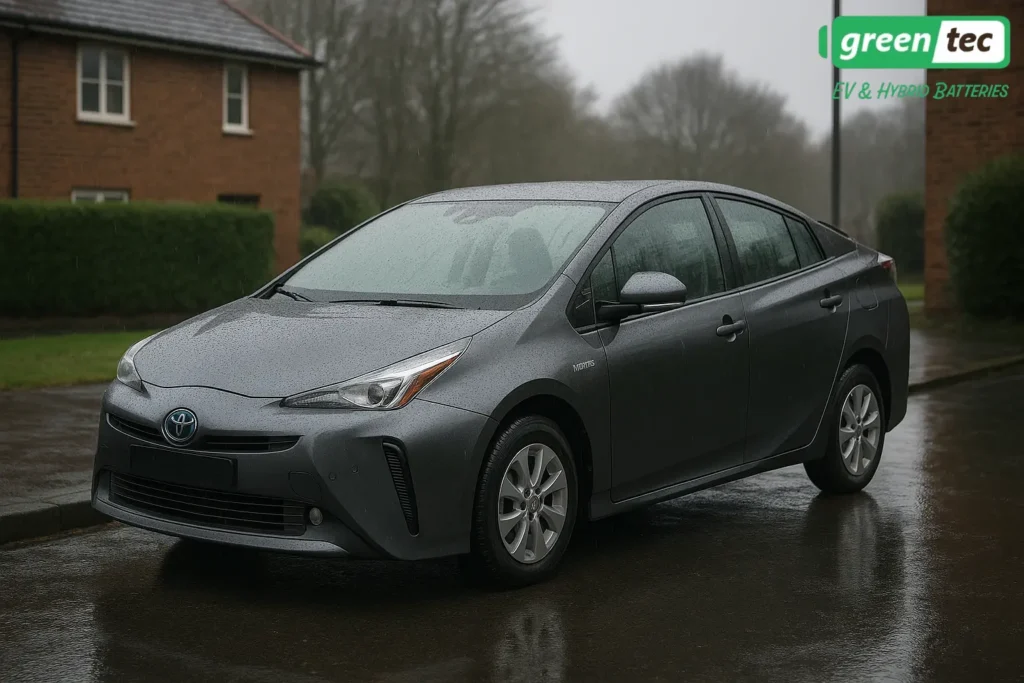
The Toyota Prius uses a nickel-metal hydride battery, but newer models have lithium-ion. Lexus hybrids also have lithium-ion batteries. These changes make the cars more efficient and better for the environment.
Kia Niro and Other Popular UK Hybrids
The Kia Niro has a lithium-ion battery pack. It offers good performance and saves fuel. Other UK hybrids, like the Honda Jazz Hybrid, also use lithium-ion batteries. This shows that lithium-ion is becoming the standard.
Temperature Sensitivity of Different Battery Types
Lithium-ion batteries, found in many hybrids, work best between 20°C and 30°C. Extreme temperatures can harm their performance and lifespan. High temperatures can cause them to degrade, while low temperatures make them less efficient.
| Battery Type | Optimal Temperature Range | Performance at Extreme Temperatures |
| Lithium-ion | 20°C – 30°C | Degradation at high temps, reduced efficiency at low temps |
| Nickel-metal Hydride | 10°C – 25°C | Less efficient at very low or high temps |
UK Climate Challenges and Hybrid Battery Lifespan UK
If you own a hybrid car in the UK, you know the weather can be unpredictable. The country’s climate changes a lot, from cold and wet winters to mild and damp springs and autumns. Sometimes, we even get heatwaves in summer. These weather conditions can stress hybrid batteries, affecting their performance and lifespan.
Cold and Wet Winter Effects
UK winters can be tough on hybrid batteries. Cold temperatures slow down the battery’s chemical reactions, making it less efficient and reducing its range. Wet weather also increases the risk of corrosion if not managed well by the vehicle’s design. For example, owners of the Kia Niro Hybrid should check their battery more often if they face cold and wet conditions.
Mild but Damp Spring and Autumn Conditions
Spring and autumn in the UK are milder, but damp conditions can affect hybrid batteries. Moisture can cause corrosion on battery terminals and other parts, which can harm the battery’s performance. Keeping your hybrid’s battery and electrical systems well-maintained can help avoid these problems.
Summer Heat Waves and Battery Stress
Summer heatwaves, though rare, can also stress hybrid batteries. High temperatures speed up chemical reactions in the battery, which can lead to faster wear. Hybrid car owners should be aware of these risks and take steps to manage battery temperature, like parking in shaded areas.
How UK Weather Compares to Manufacturer Testing Conditions
Manufacturers test their hybrid vehicles under various conditions, but the UK’s climate can be different. Comparing UK weather to these tests can show how well a model suits the local climate. Knowing these differences can help you care for your hybrid’s battery better and possibly extend its life.
Regional Weather Variations and Their Impact
The UK’s climate varies a lot, affecting hybrid car batteries. Knowing these differences helps keep your battery in top shape.
Northern UK vs Southern UK Battery Performance
The north of the UK is colder in winter and cooler in summer than the south. This affects how well hybrid batteries work. Colder weather makes batteries less efficient.
In the south, milder winters mean less battery stress. But, warmer summers can also be tough on batteries.
Coastal Areas vs Inland Regions
Coastal UK areas have more humidity and salt, harming hybrid batteries. Moisture and salt can corrode battery parts, shortening their life. In contrast, inland areas have less moisture, reducing corrosion risk.
But, inland places face bigger temperature swings, which can also harm batteries.
Urban vs Rural Driving Conditions
Driving in cities is different from rural areas. City driving is stop-and-go, with more battery use. This can shorten battery life.
Rural driving is smoother but may involve varied terrain. This can also affect battery performance.
Knowing how weather and driving conditions affect your hybrid’s battery helps. Regular checks and maintenance can protect your battery from the UK’s varied climate.
Maximising Your Hybrid Battery Durability in British Weather
British weather shifts quickly, but one fact remains constant: heat is the biggest threat to hybrid battery health. While cold temperatures can temporarily reduce performance, high heat accelerates chemical ageing, reduces capacity, and shortens overall battery life. With the right maintenance habits, you can protect your hybrid battery and help it last far longer.
Winter Maintenance Tips
Cold weather does not permanently damage hybrid batteries, but it can make them less efficient. Winter mainly affects performance, not long-term health. To keep your system running smoothly:
- Keep your battery charged, especially during freezing temperatures.
- Avoid leaving the vehicle unused for long periods.
- Park in a garage or sheltered area to stabilise temperature.
- If storing your car for weeks at a time, consider a compatible hybrid battery maintainer to prevent deep discharge.
Why Summer Heat Is More Damaging
Unlike cold, heat causes permanent, irreversible wear on hybrid batteries. High temperatures speed up chemical reactions inside the battery, reducing lifespan. Even moderate UK heatwaves can increase thermal stress, especially if the vehicle is parked in direct sunlight for long periods.
Key facts about heat and hybrid batteries:
- Heat accelerates capacity loss in both NiMH and lithium-ion hybrid batteries.
- High cabin and battery temperatures force the cooling system to work harder, reducing efficiency.
- Repeated exposure to heat is cumulative, leading to faster ageing over time.
Summer Care Strategies
Keeping your battery cool is the most effective way to protect it during warmer months. Simple steps can significantly reduce thermal stress:
Summer Care Tips
| Action | Why It Matters |
| Regular coolant checks | Ensures the battery cooling system can regulate temperature effectively. |
| Software updates | Helps optimise battery cooling and energy management strategies. |
| Parking in shaded areas | Reduces heat exposure and slows battery wear. |
Optimal Charging Practices for UK Climate
To keep your hybrid battery in top shape in the UK, follow the best charging practices. Avoid extreme charge levels; aim for 20% to 80% charge if you won’t use your car for a while.
- Monitor your charging habits.
- Avoid fast charging in extreme temperatures.
- Update your vehicle’s software regularly for optimal charging algorithms.
- Use the manufacturer’s recommended charging equipment.
Recognizing Weather-Related Battery Issues
Spotting weather-related battery problems early is key. Look for signs like poor battery performance or odd charging behaviour.
- Monitor your dashboard for warning lights.
- Check your battery’s condition regularly.
- Consult a professional if you notice any unusual behaviour.
By following these tips and being aware of the UK weather’s impact, you can extend your hybrid battery’s life.
Protecting Your Investment Year-Round
Keeping your hybrid battery healthy in the UK’s unpredictable weather is key to performance and longevity. Cold winters and hot summers can both affect battery life, so simple habits go a long way—park in a garage during winter, find shade in summer, and charge properly year-round.
When your battery needs attention, skip dealer prices and choose a trusted specialist like Greentec Auto UK. We offer reliable EV and hybrid battery replacements, strong warranties, free diagnostics, and mobile installation across the UK. With the right care and expert support, your hybrid stays efficient and ready for any weather.
FAQ
How long does a hybrid battery typically last in the UK?
Hybrid battery lifespan in the UK varies. It depends on the vehicle type, driving conditions, and maintenance. On average, it lasts between 8 to 15 years.
What is the impact of cold weather on hybrid battery performance?
Cold weather can reduce a hybrid battery’s efficiency and range. But, most modern hybrid vehicles are designed for cold temperatures. The impact is usually minimal.
How does the UK’s climate compare to the conditions under which manufacturers test their hybrid vehicles?
Manufacturers test hybrid vehicles in controlled environments. This doesn’t match the UK’s varied climate. The UK’s climate is milder but has cold winters and heatwaves. These can affect battery performance.
Are there any specific maintenance tips for hybrid batteries in the UK?
Yes, to maximise hybrid battery durability in the UK, keep it clean. Avoid extreme temperatures. Also, update software regularly.
How does driving in urban versus rural areas affect hybrid battery performance?
Urban driving is more demanding on hybrid batteries due to stop-start city driving. Rural driving is more consistent. But, the impact on battery performance is generally minimal.
Can I replace my hybrid battery myself?
It’s not recommended to replace a hybrid battery yourself. It needs special knowledge and equipment. It’s best to consult a qualified mechanic or the dealership.
How do I know if my hybrid battery is experiencing weather-related issues?
Signs of weather-related battery issues include reduced efficiency, decreased range, or dashboard warning lights. If you notice these symptoms, consult a qualified mechanic for diagnosis.
Are Toyota Prius hybrid batteries more durable than other models?
The Toyota Prius is known for reliable hybrid batteries. But, durability depends on driving conditions and maintenance. Other models, like Lexus hybrids and Kia Niro, also have their own strengths and weaknesses.
What are the optimal charging practices for hybrid batteries in the UK climate?
For optimal charging in the UK climate, avoid extreme temperatures. Keep the battery level between 20% and 80% charged. Also, update software regularly.